
Drainage Design for Landscapes: A Practical Guide to Keep Your Yard Dry
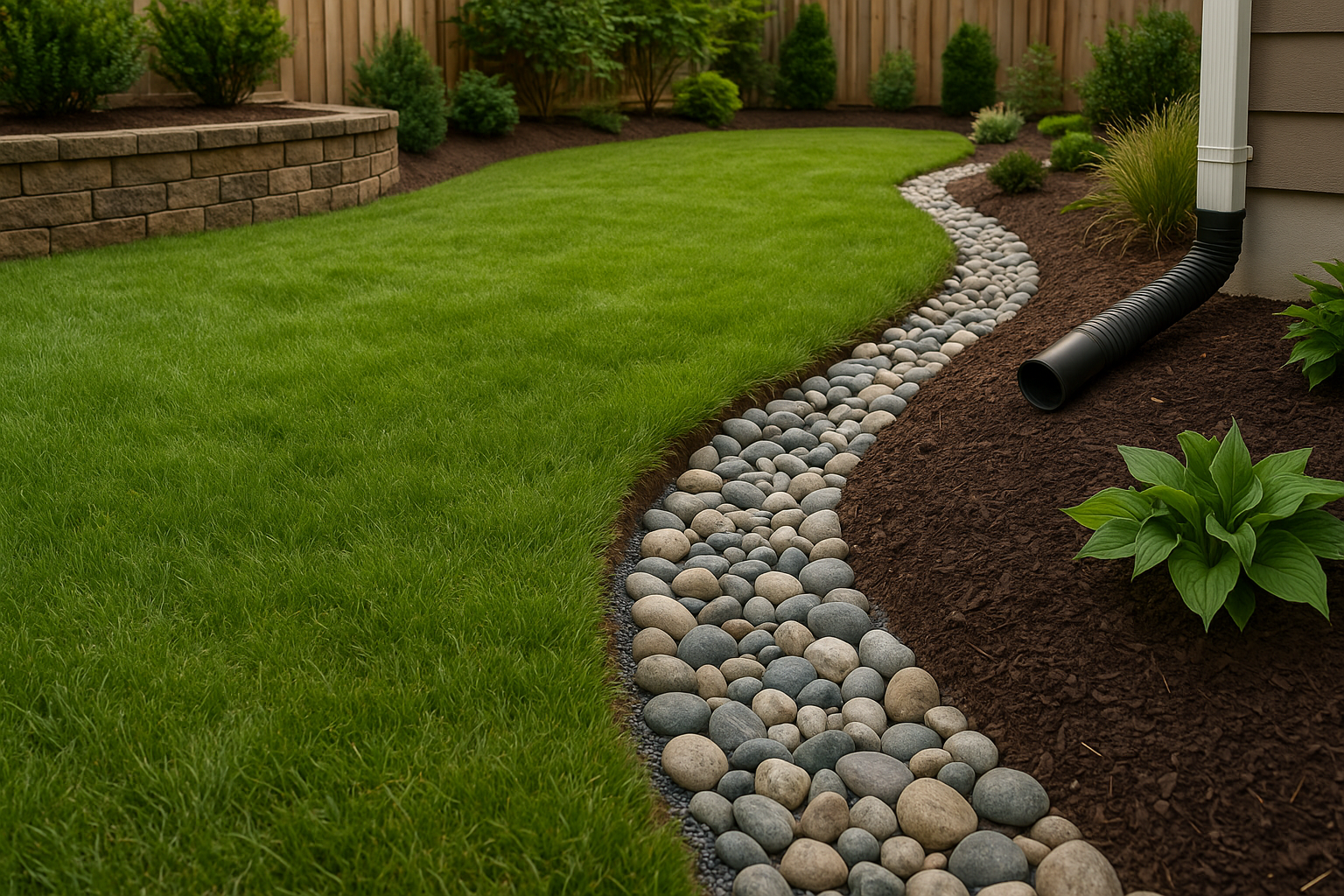
Introduction
Water in the landscape is a double-edged sword: vital for plants but destructive when it’s where it shouldn’t be. A smart drainage design protects your property, prevents soil erosion, and keeps gardens healthy. This guide covers the basics and practical solutions so you can plan drainage that works with your site—not against it.
Understanding Drainage Basics
Good drainage manages where water goes after rain or irrigation. Key concepts include surface runoff, infiltration, and subsurface flow. Effective design looks at how water moves on top of the soil and through it, then directs excess to safe, legal outlets.
Why drainage matters
- Prevents water pooling that can kill plants and attract pests.
- Reduces foundation, walkways, and driveway damage.
- Helps control erosion and sediment runoff into storm systems.
- Improves soil aeration and root health by avoiding prolonged saturation.
Assessing Your Landscape
Start with a site assessment before moving soil or installing pipes. Careful observation saves time and money.
Identify water sources and flow paths
Track where water collects during and after rain. Note downspouts, low spots, slopes, and nearby hard surfaces (roofs, driveways) that shed water. Temporarily mark flow lines with spray paint or flags to visualize paths.
Soil type and slope analysis
Soil texture (sand, silt, clay) strongly affects infiltration. Sandy soils drain quickly; clay holds water. Perform a percolation test (dig a hole, fill with water, measure infiltration time) to estimate suitability for dry wells or infiltration trenches. Also measure slope: even a few degrees affects runoff speed and the scale of interventions needed.
Practical Drainage Solutions
Choose solutions that match your yard’s conditions and local regulations. Often the best approach combines several techniques.
Surface drainage options
- Regrading: Slightly sloping soil away from foundations (minimum 2% or 1/4 inch per foot) encourages runoff toward safe drainage areas.
- Swales: Shallow, vegetated channels that move water slowly while allowing infiltration and filtering debris.
- Permeable paving: Pavers, gravel, or porous concrete reduce runoff from patios and driveways by allowing water to soak in.
Subsurface drainage options
- French drains: Perforated pipe wrapped in fabric and surrounded by gravel; they intercept groundwater and direct it to a safe outlet.
- Catch basins and channel drains: Surface inlets that collect concentrated runoff from downspouts or hardscapes and connect to subsurface piping.
- Dry wells and infiltration trenches: Store runoff temporarily and allow gradual infiltration, useful where soil and space permit.
Rain gardens and planting
Strategically placed rain gardens use native plants adapted to periodic wetness to capture and infiltrate runoff. They’re attractive, improve biodiversity, and reduce the need for engineered solutions when sized properly.
Design Considerations
Sizing drains and pipes
Account for roof area, impervious surfaces, and local rainfall intensity. A common rule is to size pipes and trenches to handle peak flows—consult local design storms (e.g., 10-year, 25-year events) or work with a designer for precise calculations. Oversizing is safer than undersizing.
Permits and local codes
Many municipalities regulate where stormwater can be discharged. Before connecting to a public storm drain or altering flow patterns, check local codes and obtain necessary permits. Illegal discharge can lead to fines and costly rework.
Maintenance tips
Even the best systems need upkeep: clear debris from catch basins, remove sediment from French drain access points, refresh gravel and mulch as needed, and inspect after storms. Regular maintenance keeps systems functioning and extends their lifespan.
Common Mistakes to Avoid
- Directing water toward foundations or neighbors—always route to a legal, safe outlet.
- Ignoring soil type and infiltration capacity when choosing solutions.
- Overcomplicating small problems—sometimes simple regrading or a rain garden solves it.
- Skipping maintenance—minor clogs can turn into major failures after the next heavy storm.
Conclusion
Thoughtful drainage design protects your landscape and property while supporting healthy plantings. Start with a careful site assessment, choose solutions that fit your soil and slope, and plan for maintenance. When in doubt, consult a landscape professional or civil engineer to ensure your approach meets local rules and long-term needs.