
DIY Landscape Design: A Practical Guide to Creating Your Dream Yard
Plan Before You Dig: Why Good Landscape Design Matters
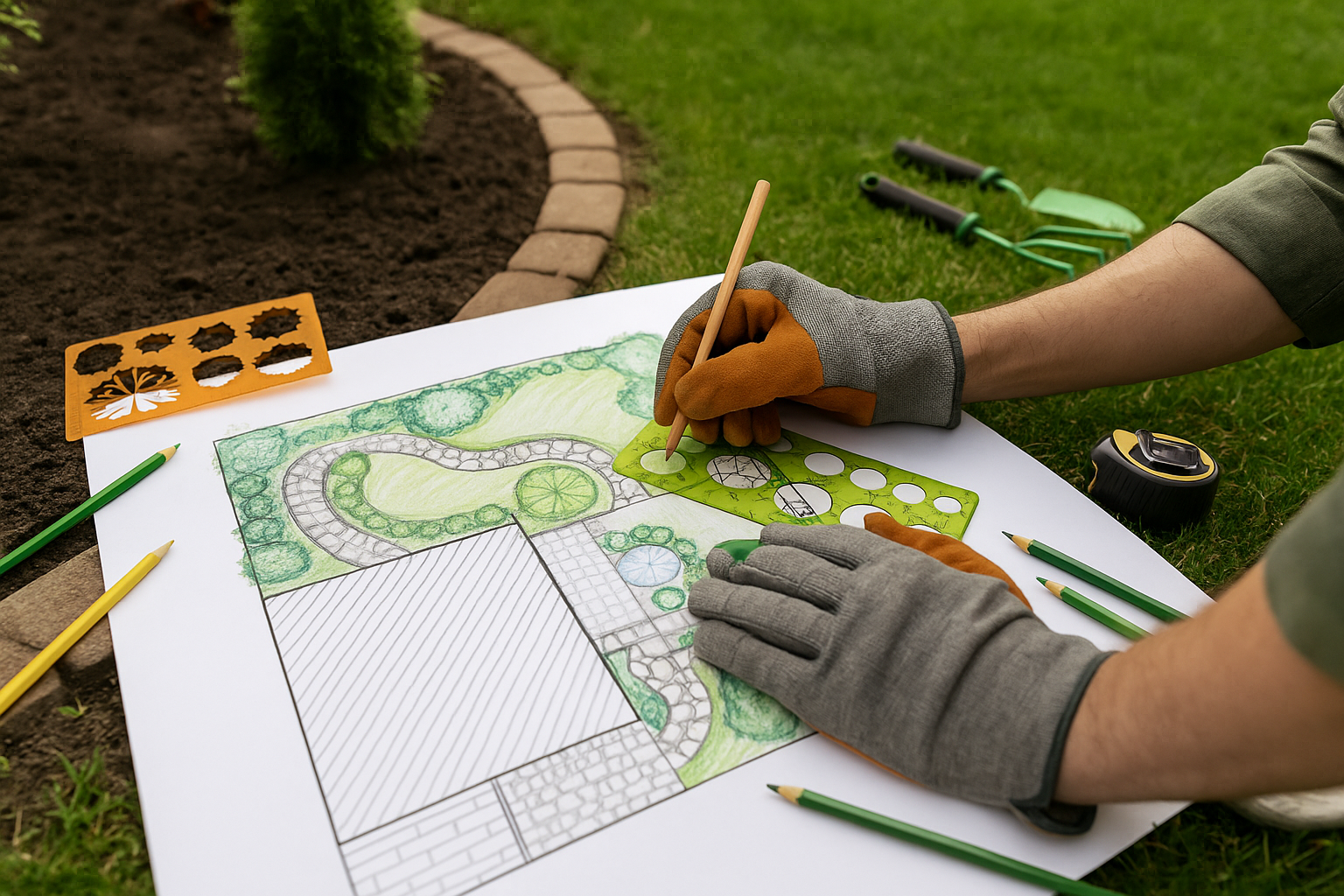
Starting a DIY landscape project without a plan is like building a house without a blueprint. Thoughtful planning saves time, money, and frustration. A clear design helps you prioritize projects, choose the right plants, and create a cohesive outdoor space that works for your lifestyle.
Assess Your Space
Begin by walking your yard with a notebook. Observe sunlight patterns, soil type, drainage, and existing features. Make a simple sketch showing property boundaries, structures, trees, and utilities.
Key questions to answer
- Where does the sun hit most of the day?
- Are there areas that stay wet after rain?
- Which views do you want to highlight or block?
- How will you use the space—gardening, entertaining, play, or relaxation?
Set a Style and Focal Points
Choosing a style—modern, cottage, Mediterranean, or native—guides plant and material choices. Pick 1–2 focal points like a patio, water feature, specimen tree, or sculpture to anchor the design and draw the eye.
Design tip
Keep proportions in mind: a large tree or water feature suits big yards, while small gardens thrive with raised beds or container arrangements.
Create a Practical Layout
Use simple geometry to organize space: paths connect areas, borders define beds, and seating zones create gathering spots. Sketch a few layout options and walk them out with stakes and string to feel scale before committing.
Functional zoning
- Entertaining zone: patio or deck near the house for easy access.
- Utility zone: compost, tool storage, or vegetable beds tucked away but accessible.
- Quiet zone: tucked seating, native planting, or screening for privacy.
Choose Plants Wisely
Plant selection makes or breaks a landscape. Focus on plants suited to your climate, soil, and sun exposure. Group plants with similar water and maintenance needs to create efficient irrigation zones.
Planting strategy
- Start with structure: trees, shrubs, and evergreen anchors provide year-round form.
- Add seasonal interest: perennials, bulbs, and annuals for color through the year.
- Use layers: groundcovers, mid-height plants, and tall backdrops for depth.
Hardscaping and Paths
Hardscaping—patios, pathways, retaining walls—defines circulation and reduces maintenance. Choose materials that complement your home and climate. Permeable pavers or gravel help manage runoff and reduce puddling after storms.
DIY-friendly hardscape ideas
- Stepping-stone paths set in sand or gravel for an affordable, flexible option.
- Stamped concrete or paver patios for durable entertaining spaces.
- Raised beds built from rot-resistant lumber for easier planting and soil control.
Low-Maintenance and Sustainable Choices
Design with sustainability in mind: choose native plants, add a rain garden, mulch beds to retain moisture, and install drip irrigation. These choices cut water use and reduce long-term upkeep.
Maintenance shortcuts
- Mulch 2–3 inches deep to suppress weeds and keep soil cool.
- Use native or drought-tolerant plants to lower watering needs.
- Install a simple drip irrigation timer to save time and water.
Budget-Friendly Tips
DIY doesn’t mean expensive. Break projects into phases, prioritize high-impact areas, and reuse materials where possible. Shop end-of-season sales for plants and salvage usable stone or pavers.
Cost-saving ideas
- Start small: focus on a front border or patio before redoing the whole yard.
- Propagate plants from cuttings or divide existing perennials to increase stock cheaply.
- Volunteer labor: invite friends and family for a planting party to speed work and reduce costs.
Final Checklist Before You Start
- Call utility services to mark buried lines.
- Test soil pH and amend accordingly.
- Confirm plant hardiness zones and microclimates on your property.
- Gather tools and safety gear: gloves, shovel, hose, and a wheelbarrow.
Conclusion
DIY landscape design is rewarding and achievable with a little planning and the right priorities. Start by assessing your space, choose plants and materials that suit your climate, and tackle the project in manageable phases. With thoughtful design and simple upkeep strategies, your yard can become a beautiful, functional place you’ll enjoy year-round.