
Decorative Pond Landscaping: Design, Plants, and Maintenance Tips
Introduction
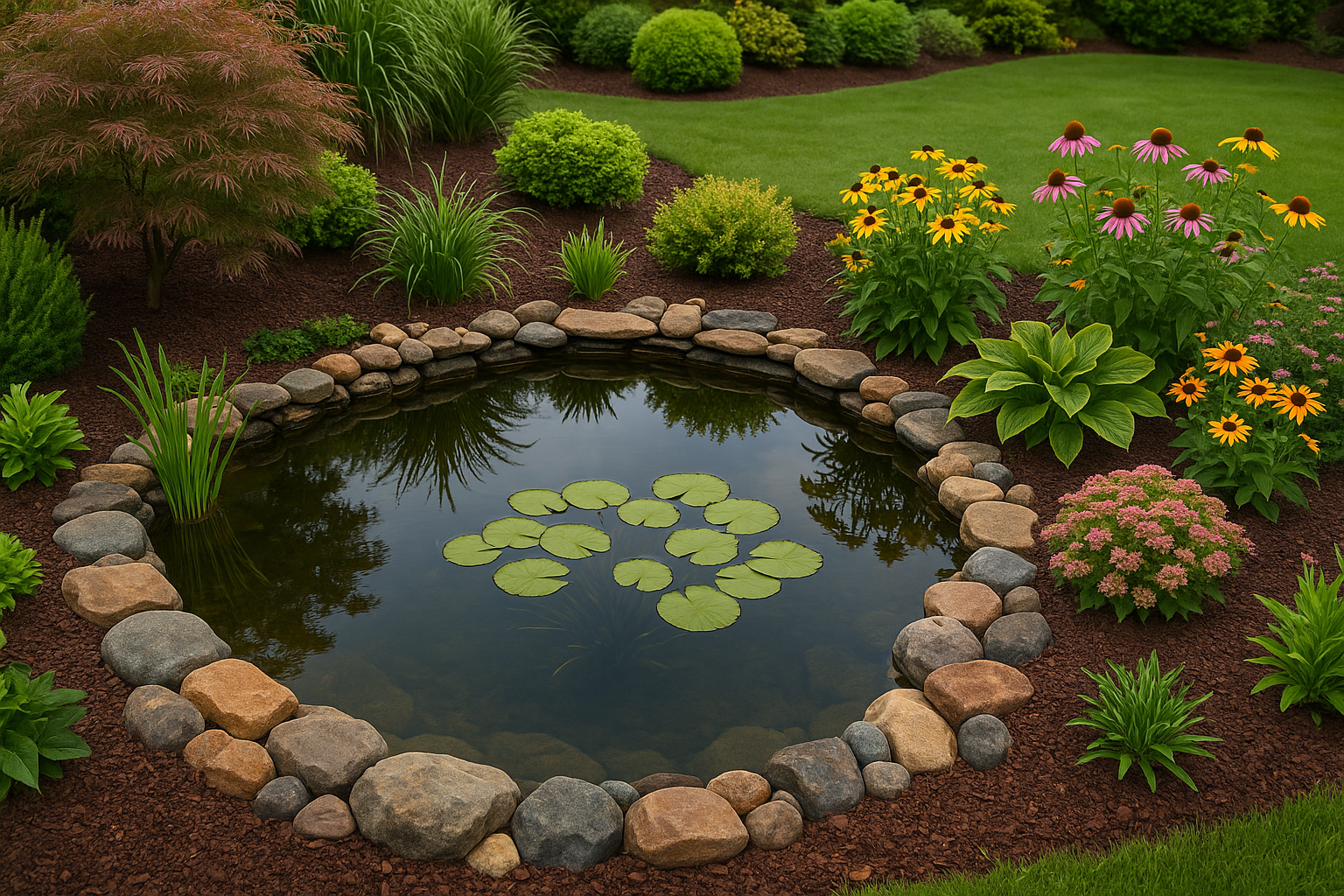
A decorative pond can transform a backyard into a peaceful retreat, attract wildlife, and add value to your property. Whether you want a formal water feature with stonework or a natural-looking pond edged with native plants, thoughtful landscaping makes the difference between a pond that looks tastefully integrated and one that feels tacked on. This guide walks you through planning, design elements, plant selection, construction basics, and maintenance tips so your pond becomes the focal point of your outdoor space.
Planning Your Pond
Location: Light, Views, and Practical Concerns
Choose a location that balances sunlight and shade. Most aquatic plants need 4–6 hours of sun, but avoiding full midday sun helps reduce algae growth. Keep the pond visible from a patio or window for enjoyment, and place it away from trees that will drop excessive leaves—unless you want the natural look and are prepared for seasonal cleanup.
Size, Shape, and Purpose
Decide whether your pond will be primarily decorative, a habitat for fish, or a combination. Larger ponds are more stable ecologically, but even small ponds can provide big visual impact. Consider organic shapes for a natural feel or geometric forms for a modern look. Think about focal points and how the pond fits into existing garden beds, paths, and sightlines.
Budget and Timeline
Costs vary widely depending on size, materials, filtration systems, and hardscaping. Set a realistic budget and plan for phased upgrades—start with a basic liner and pump, then add features like lighting and a waterfall later if desired.
Design Elements
Hardscaping: Edges, Stones, and Paths
Hardscaping anchors the pond visually. Natural stone, boulders, and timbers create a rustic edge, while cut stone and concrete give a formal appearance. Create accessible paths or stepping stones for maintenance and viewing points. Use gravel or decomposed granite to blend edges into surrounding planting beds.
Water Features: Movement and Sound
Adding a waterfall, stream, or fountain provides movement that oxygenates the water and keeps mosquitoes at bay. Even a small bubbler can create pleasing sound and mask neighborhood noise. Design features to circulate water from shallower planting shelves to deeper areas to maintain healthy conditions.
Lighting: Ambience and Safety
Low-voltage LED lighting highlights plants, creates reflections, and improves safety at night. Place uplights behind focal plants, underwater LEDs for drama, and path lights to guide visitors. A timer or smart controller makes night lighting effortless.
Wildlife Considerations
Design with wildlife in mind by including gentle slopes or rocks where frogs and beneficial insects can access the water. Native plants provide food and shelter for birds and pollinators. Avoid chemical treatments that harm the ecosystem.
Construction & Installation Basics
Liners, Materials, and Structural Tips
EPDM rubber liners and preformed shells are common choices. EPDM offers flexibility in shaping, while rigid preformed ponds are quick to install for smaller projects. Underlay material prevents punctures; compacted sand or specialized underlay fabric is recommended. Ensure edges are secure and backfilled properly to prevent slumping.
Filtration and Circulation
A good pump and filtration system keeps water clear and oxygenated. Choose a pump powerful enough to circulate the entire pond volume regularly and match it to any water features. Consider a biological filter to support beneficial bacteria that break down waste.
Safety and Access
Include shallow shelves for plants and shallow zones for pets or small children. Build steps or removable barriers if small children will be around, and maintain clear access for maintenance tasks like netting, skimming, and equipment servicing.
Plant Selection & Placement
Marginal Plants
Marginal plants (iris, cattails, and pickerelweed) thrive in shallow water and soften pond edges. Use containers or planting baskets to control spread and make winter removal easier if needed.
Floating and Submerged Plants
Floating plants like water lilies and water lettuce provide shade that reduces algae and creates habitat for aquatic life. Submerged plants (elodea, hornwort) oxygenate water and compete with algae for nutrients. Balance plant types to create a healthy ecosystem.
Bog Plants for Natural Transition
A bog area planted with moisture-loving perennials forms a natural transition between lawn and pond. Choose species tolerant of fluctuating moisture for year-round interest.
Maintenance Tips
Seasonal Care
Regular skimming, pruning spent foliage, and partial water changes keep your pond healthy. In colder climates, use a pond heater or de-icer to maintain an opening for gas exchange if fish are present.
Algae Control and Water Quality
Prevent algae by balancing light, plants, and nutrients. Avoid overfeeding fish, and use barley straw, UV clarifiers, or beneficial bacteria treatments when necessary. Test water periodically for pH and ammonia if you keep fish.
Pruning and Fertilization
Trim back aggressive plants to keep them from overtaking the pond. Use aquatic plant fertilizers sparingly and place them in designated containers to avoid excess runoff into the water column.
Conclusion
Decorative pond landscaping is a rewarding project that combines design, ecology, and ongoing care. With thoughtful planning—selecting the right location, balancing plants and features, and investing in proper filtration—you can create a beautiful, low-maintenance water garden that enhances your landscape and supports local wildlife. Start small, learn as you go, and enjoy the calming presence a pond brings to your outdoor space.