
Decorative Arbors: Enhance Your Garden with Style and Function
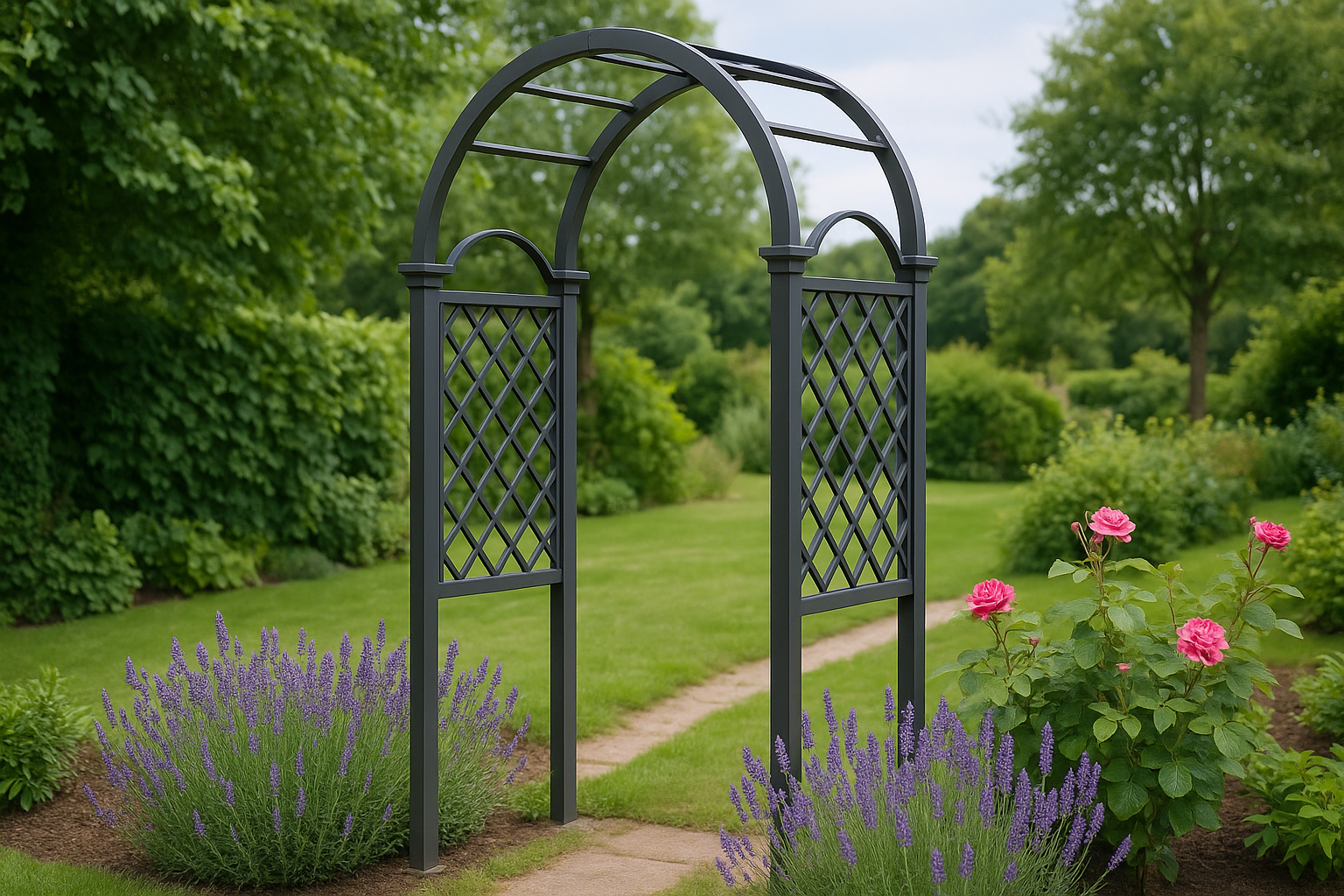
Why Choose a Decorative Arbor?
Decorative arbors are one of the simplest and most rewarding additions you can make to a garden or backyard. They create an inviting entrance, define outdoor rooms, and provide support for climbing plants like roses, clematis, and wisteria. Beyond function, a well-chosen arbor becomes a visual anchor that elevates the style of your landscape.
Benefits at a glance
- Visual focal point that draws the eye and frames views.
- Support for climbing plants and vines.
- Creates a sense of arrival and separation between garden areas.
- Can double as a privacy screen, trellis, or backdrop for seating.
Popular Styles and Materials
Arbors come in many styles, from rustic and cottage to minimalist and modern. Choosing the right material and design ensures the piece complements your home and withstands local weather.
Wood
Cedar and redwood are top choices because they resist rot and insects naturally. Wood arbors feel warm and traditional, and they take stain or paint well for a tailored look. Regular sealing extends their life and keeps them looking fresh.
Metal
Wrought iron and powder-coated steel deliver a durable, elegant aesthetic. Metal arbors work well for ornate Victorian gardens or sleek contemporary landscapes. Look for rust-resistant finishes and consider professional anchoring for heavier designs.
Vinyl and Composite
Vinyl arbors are low-maintenance and resist fading, making them a good choice for busy homeowners. Composite materials offer the look of wood without the same upkeep. Both are ideal when you want longevity with minimal care.
Design Considerations
Before buying or building, think about scale, placement, and how the arbor will interact with plants and paths.
Size and proportion
Match the arbor size to the space and surrounding structures. A small arbor may look lost in a large yard; a massive arbor can overwhelm a cozy patio. Ensure openings are wide enough for guests, garden carts, or wedding processions if you plan to use it for events.
Placement and sightlines
Place arbors where they frame a view, mark a pathway, or welcome visitors at the garden edge. Consider sightlines from windows and seating areas so the arbor becomes part of daily enjoyment.
Plant pairings
Choose climbers compatible with the arbor material and local climate. Fast-growers like honeysuckle and morning glory provide quick coverage; roses and clematis add long-lived blooms. Use annuals at the base for seasonal color.
DIY vs Prebuilt Arbors
Your budget, skill level, and timeframe will determine whether to build or buy.
Pros and cons
Prebuilt arbors save time and often include treated connectors and anchoring hardware. DIY projects allow customization of size, detail, and finish, and can be more budget-friendly if you have basic carpentry skills.
Tools and materials checklist for DIY
- Quality lumber or metal posts
- Galvanized screws or bolts
- Concrete for footings
- Level, post hole digger, drill
- Stain, paint, or protective sealant
Installation Tips
Proper installation ensures your arbor is stable and long-lasting.
Anchoring and foundations
Set posts in concrete or use ground anchors for secure support, especially if you expect heavy vines or windy conditions. For softer soil, widen the footing for better load distribution.
Leveling and alignment
Use a long level and string lines to keep posts plumb and crossbeams even. A slight adjustment now avoids a crooked structure later.
Finishing touches
Stain or paint wood before installing to protect exposed surfaces. Add lighting—string lights, lanterns, or solar fixtures—to extend usability into the evening. Incorporate planters or a bench at the base to create a cozy nook.
Creative Ideas and Uses
Think beyond the entryway: arbors can serve multiple roles in your yard.
Pathway entrance
Line a garden path with one or more arbors to create a romantic tunnel of blooms and leaves.
Focal point and photo backdrop
Use a decorated arbor as a ceremony backdrop or a centerpiece for summer gatherings—easy to style with fabric, greenery, and flowers.
Vertical garden
Attach small planters and trellis panels to create a living wall that maximizes limited space, perfect for herbs or trailing succulents.
Conclusion
Decorative arbors are versatile, beautiful, and practical additions that can transform a landscape. Whether you choose a handcrafted wooden piece, a sleek metal design, or a no-fuss vinyl option, planning for scale, placement, and plantings will help you create an arbor that lasts and delights for years.