
Custom Water Features Landscaping: Design Ideas, Planning, and Maintenance
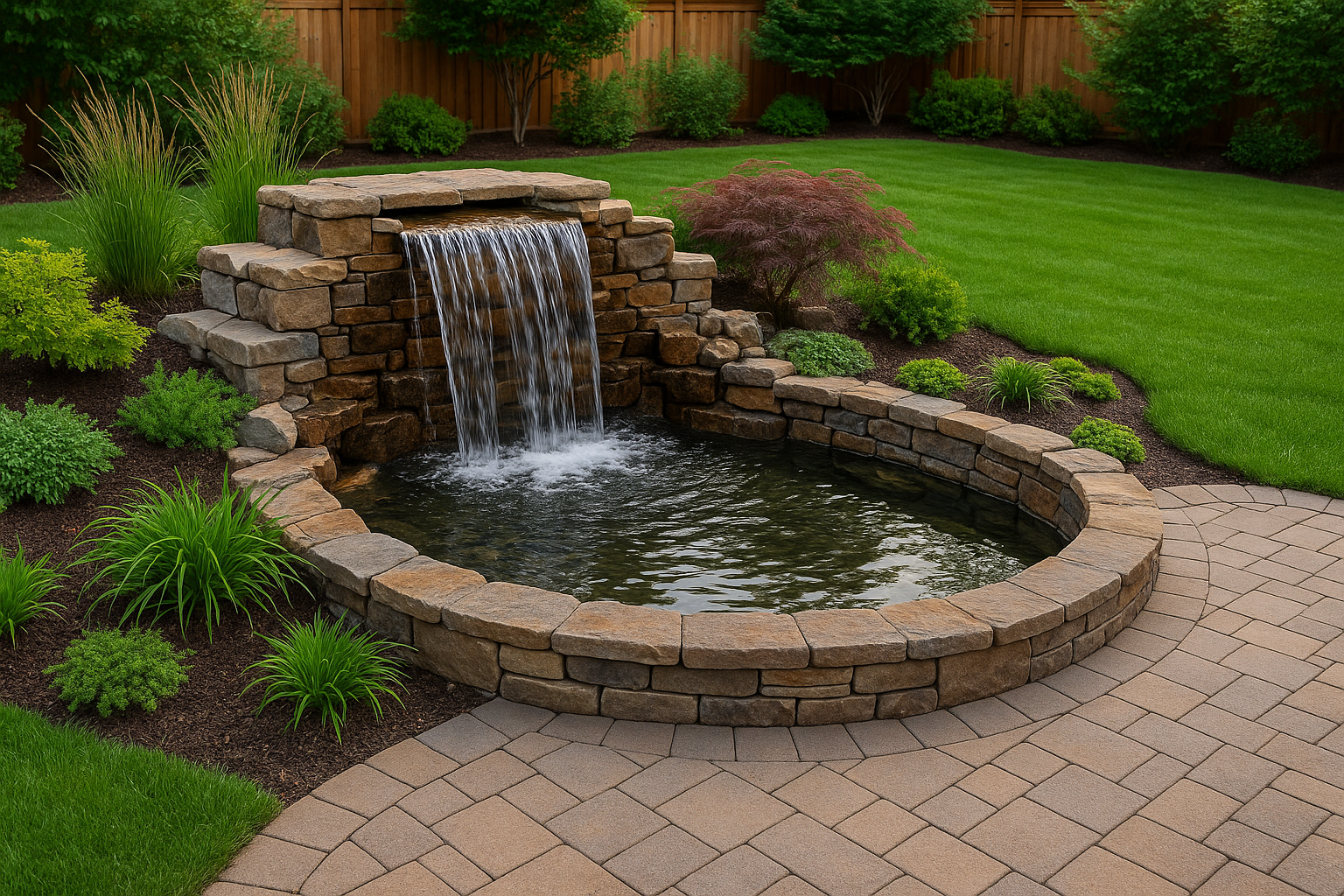
Bring Your Garden to Life with Custom Water Features
Custom water features landscaping can transform an ordinary yard into a serene retreat, a lively entertainment space, or a modern statement garden. Whether you imagine a reflective pool, a cascading waterfall, or a subtle bubbling fountain, thoughtful design turns water into a focal point that enhances property value, soothes the senses, and invites wildlife.
Why Choose a Custom Water Feature
Adding a custom water feature is more than an aesthetic upgrade. It creates ambiance through sound and motion, improves microclimate by cooling nearby areas, and can provide habitat for birds and beneficial insects. A well-designed feature also complements architectural styles and landscape themes, tying hardscape, planting, and lighting into one cohesive composition.
Types of Custom Water Features
Ponds and Natural Pools
Ponds offer a naturalistic look and serve as a habitat for native plants and wildlife. They can be planted with marginal aquatic species to create a balanced ecosystem and reduce maintenance through biological filtration.
Waterfalls and Cascades
Waterfalls add dynamic movement and sound. They work well on slopes or as focal points in flat landscapes when paired with a recirculating basin. Stone- or boulder-based falls give a natural appearance, while modern designs use clean lines and slate or concrete.
Fountains and Sculptural Jets
Fountains suit formal gardens and urban spaces. From classical tiered designs to minimalist bubblers, fountains provide visual interest and can be integrated with lighting and water jets for dramatic effects.
Streams, Rills, and Reflective Pools
Shallow rills and reflective pools give a contemporary, tranquil feel. Streams can connect different parts of a landscape, while reflective pools emphasize symmetry and plantings around them.
Design and Planning
Site Assessment
Start by observing sunlight patterns, prevailing winds, slope, and existing plants and structures. Consider sightlines from key indoor and outdoor living spaces to ensure the feature will be visible and enjoyed. Drainage and access for installation equipment are also important.
Budget, Permits, and Safety
Set a realistic budget that accounts for design, materials, excavation, plumbing, lighting, and ongoing maintenance. Check local codes and homeowners association rules for permits, fencing, or safety barriers—especially for deep ponds or features near play areas.
Maintenance Considerations
Plan for seasonal upkeep like cleaning filters, managing algae, trimming aquatic plants, and winterizing pumps if necessary. Choosing the right filtration and circulation system reduces long-term labor and improves water quality.
Materials and Technology
Pumps, Filtration, and Automation
Energy-efficient pumps and properly sized filters keep water clear and healthy. Consider automation systems that control water flow, lighting schedules, and freeze protection to simplify care and save energy.
Lighting and Hardscape
Low-voltage LED lighting brings features to life at night and improves safety. Natural stone, cast concrete, steel, and fiberglass basins each offer different aesthetics and durability. Selecting materials that match your home and landscape style creates a unified look.
Planting and Wildlife
Choose pond and marginal plants for filtration, shade, and visual interest. Native plants encourage biodiversity and require less maintenance. If you want fish, plan for aeration, shading, and predator protection.
Installation Process
Typical installation steps include site marking and excavation, forming and installing the basin or liner, setting plumbing and electrical, building hardscape elements, and planting. Professional installers follow best practices for waterproofing, leveling, and testing circulation before handing the landscape over to the owner.
Maintenance Tips for Longevity
- Keep leaves and debris out of the water with skimmers or nets.
- Clean filters regularly and backwash when needed.
- Trim overgrown marginal plants to prevent excess organic load.
- Check pump strainers and winterize equipment in cold climates.
- Use beneficial bacteria treatments to reduce algae without harmful chemicals.
Cost Considerations
Costs vary widely depending on size, materials, and complexity. Small bubblers and simple fountains can be installed for a few hundred to a few thousand dollars, while large ponds, waterfalls, or elaborate integrated systems often run into the tens of thousands. Always factor in long-term operating costs like electricity, repairs, and seasonal maintenance.
DIY vs Hiring a Professional
If you have landscaping experience and the project is small, a DIY approach can be rewarding. For larger features, engineered systems, or installations near utilities, hiring a landscape designer or contractor ensures safety, compliance, and a polished result. Professionals can also advise on sustainable systems and long-term care plans.
Sustainability and Eco-Friendly Options
Consider rainwater capture to reduce municipal water use, native plantings to support pollinators, solar-powered pumps for low-energy operation, and biological filtration to limit chemicals. Thoughtful design minimizes ecological impact while maximizing benefits.
Conclusion
Custom water features landscaping offers countless possibilities to elevate your outdoor space. With careful planning, the right materials, and sensible maintenance, a water feature can provide years of enjoyment, aesthetic appeal, and environmental benefits. Start small if you need to, consult professionals when required, and design something that reflects your lifestyle and local environment.