
Backyard Landscape Design: A Practical Guide to Creating an Outdoor Space You’ll Love
Why Backyard Landscape Design Matters
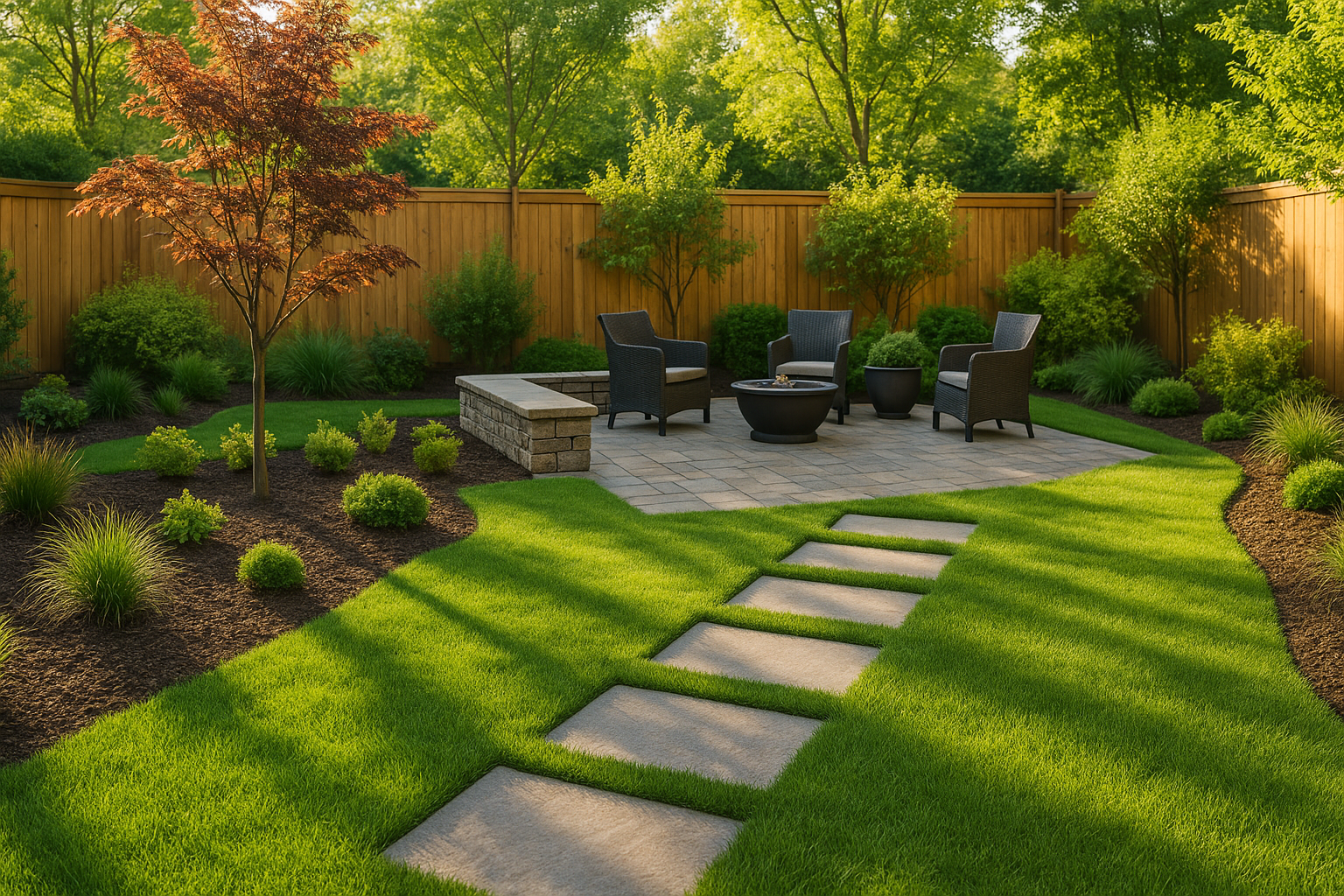
Your backyard isn’t just “extra space”—it’s a chance to extend your home outdoors. Thoughtful backyard landscape design can boost curb appeal, make everyday life more enjoyable, and create a place for entertaining, relaxing, gardening, or letting kids and pets roam. The best part? You don’t need a massive budget or a huge yard to make a big impact. With a clear plan and a few smart choices, you can build a backyard that looks great and works beautifully for how you actually live.
Start With a Simple Plan
Before buying plants or moving soil, step back and plan. A little time upfront prevents expensive do-overs later and helps you prioritize what matters most.
Assess Your Space (Sun, Soil, Drainage, and Slope)
Walk your yard at different times of day and notice where sun and shade fall. Most flowering plants and vegetables want 6+ hours of sun, while many shrubs and shade perennials prefer filtered light. If you’re unsure about soil quality, do a basic soil test—pH and nutrient levels can guide plant success. Also pay attention to drainage after rainfall. Puddling areas may need grading, a rain garden, or permeable surfaces. If your yard slopes, consider terraces, steps, or retaining walls to prevent erosion and create usable zones.
Define Your Goals and Budget
Ask yourself: Do you want a low-maintenance retreat, a family-friendly play zone, a vegetable garden, or an entertainment-focused patio? Rank your “must-haves” and “nice-to-haves,” then set a realistic budget. If the full vision feels out of reach, plan in phases—hardscaping first, then planting, then lighting and finishing touches.
Create Functional Zones
Great backyard landscape design is part beauty, part function. Zoning helps your yard feel organized, comfortable, and easy to use—especially in smaller spaces.
Patios, Decks, and Outdoor Dining Areas
Start with the area you’ll use the most. A patio or deck creates a stable foundation for furniture, grilling, and gatherings. Size it based on real needs: allow comfortable walking clearance around tables and seating. If you entertain often, consider built-in seating, a serving shelf near the grill, or a shade solution like a pergola, umbrella, or sail shade.
Play and Pet-Friendly Spaces
For kids, keep sightlines clear from inside the house, and choose forgiving surfaces like turf, mulch, or a soft groundcover. For pets, plan a durable path they can follow (to prevent worn “dog trails”), and select tough, non-toxic plants. A small fenced section or a discreet dog run can keep the rest of the yard looking tidy.
Garden Beds and Relaxation Corners
Garden beds bring structure and seasonal color. Use raised beds if you want crisp edges, better soil control, and easier maintenance. To create a relaxing nook, tuck a bench or pair of chairs into a quieter corner—ideally with some privacy screening like tall grasses, shrubs, or a trellis with vines.
Choose a Style and Plant Palette
A consistent style ties everything together. It doesn’t have to be strict—you can blend elements—but a clear direction makes decisions easier and the final result more polished.
Popular Backyard Landscape Styles
- Modern: Clean lines, minimal plantings, and structured materials like concrete and steel.
- Cottage: Layered flowers, curved borders, and an abundant, relaxed feel.
- Mediterranean: Gravel, terracotta tones, drought-tolerant plants, and fragrant herbs.
- Japanese-inspired: Calm, intentional plant placement, stones, and water features.
- Naturalistic: Native plants, soft edges, and a “designed but not fussy” look.
Plant Selection Tips (Native Plants, Layers, and Year-Round Interest)
Choose plants that match your climate and light conditions first—then focus on color and style. Native plants are a strong option because they typically require less water and support local pollinators. Aim for a layered look: taller trees or small ornamental trees, mid-height shrubs, and lower perennials/groundcovers. Add year-round interest by mixing evergreens, ornamental grasses, flowering perennials, and plants with berries or colorful bark.
For a cohesive look, limit your palette to a handful of repeat plants and use them in clusters. Repetition makes a yard feel designed, not random.
Hardscaping: The Backbone of Your Design
Hardscape elements—paths, patios, walls, edging—provide structure and make your yard usable in every season. They’re also typically the most expensive pieces, so it’s worth planning carefully.
Paths, Edging, and Stepping Stones
Paths guide movement and protect your lawn and beds from foot traffic. Straight paths feel formal; curved paths feel casual and inviting. Use edging to keep mulch in place and create clean borders. Stepping stones can be a budget-friendly solution for lighter traffic and help connect zones without committing to a full walkway.
Retaining Walls and Raised Planters
If your yard has a slope, a retaining wall can create level terraces for planting or seating. Raised planters add height and help define spaces, especially in flatter yards. Use materials that match your home’s exterior—stone, brick, wood, or concrete—so everything feels intentional.
Lighting and Water Features for Atmosphere
The difference between a backyard that looks “fine” and one that feels magical often comes down to lighting and a few sensory details.
Outdoor Lighting Basics
Use lighting in layers: path lights for safety, uplights to highlight trees or architectural features, and soft ambient lighting for seating areas. Warm white bulbs tend to look more welcoming than cool tones. Solar lights can work for accents, but low-voltage systems are usually brighter and more reliable for main walkways and patios.
Simple Water Features That Make a Big Impact
You don’t need a large pond to enjoy the sound of water. A small recirculating fountain, a bubbling urn, or a compact pondless waterfall can create a calming focal point. Place water features where you’ll hear them most—near a seating area or just outside a frequently used door.
Low-Maintenance Backyard Landscape Design Tips
If you want a beautiful yard without spending every weekend on upkeep, design with maintenance in mind.
- Choose the right plants: Drought-tolerant and native options often need less care once established.
- Group plants by water needs: This makes irrigation more efficient and prevents overwatering.
- Use mulch: A 2–3 inch layer helps retain moisture and reduces weeds.
- Install drip irrigation: It targets roots directly and saves water compared to sprinklers.
- Reduce lawn where it doesn’t make sense: Replace tricky strips with planting beds, gravel, or groundcovers.
Common Backyard Landscaping Mistakes to Avoid
- Skipping a plan: Buying plants first often leads to overcrowding and mismatched styles.
- Ignoring mature plant size: A cute shrub can become a maintenance headache if it outgrows the space.
- Under-sizing patios: If the main seating area feels cramped, you won’t use it as much.
- Forgetting storage: Plan a spot for bins, tools, and toys so the yard stays clutter-free.
- Neglecting drainage: Water issues can ruin plants and hardscaping—fix flow problems early.
Conclusion: Build a Backyard That Fits Your Life
Backyard landscape design is at its best when it balances function, comfort, and personality. Start with a simple plan, create zones that match how you live, and choose plants and materials that thrive in your conditions. Whether you tackle the project in a weekend or build it out over time, each thoughtful upgrade brings you closer to an outdoor space you’ll genuinely enjoy day after day.