
Automatic Irrigation Systems: A Complete Guide to Smarter Watering
What is an automatic irrigation system?
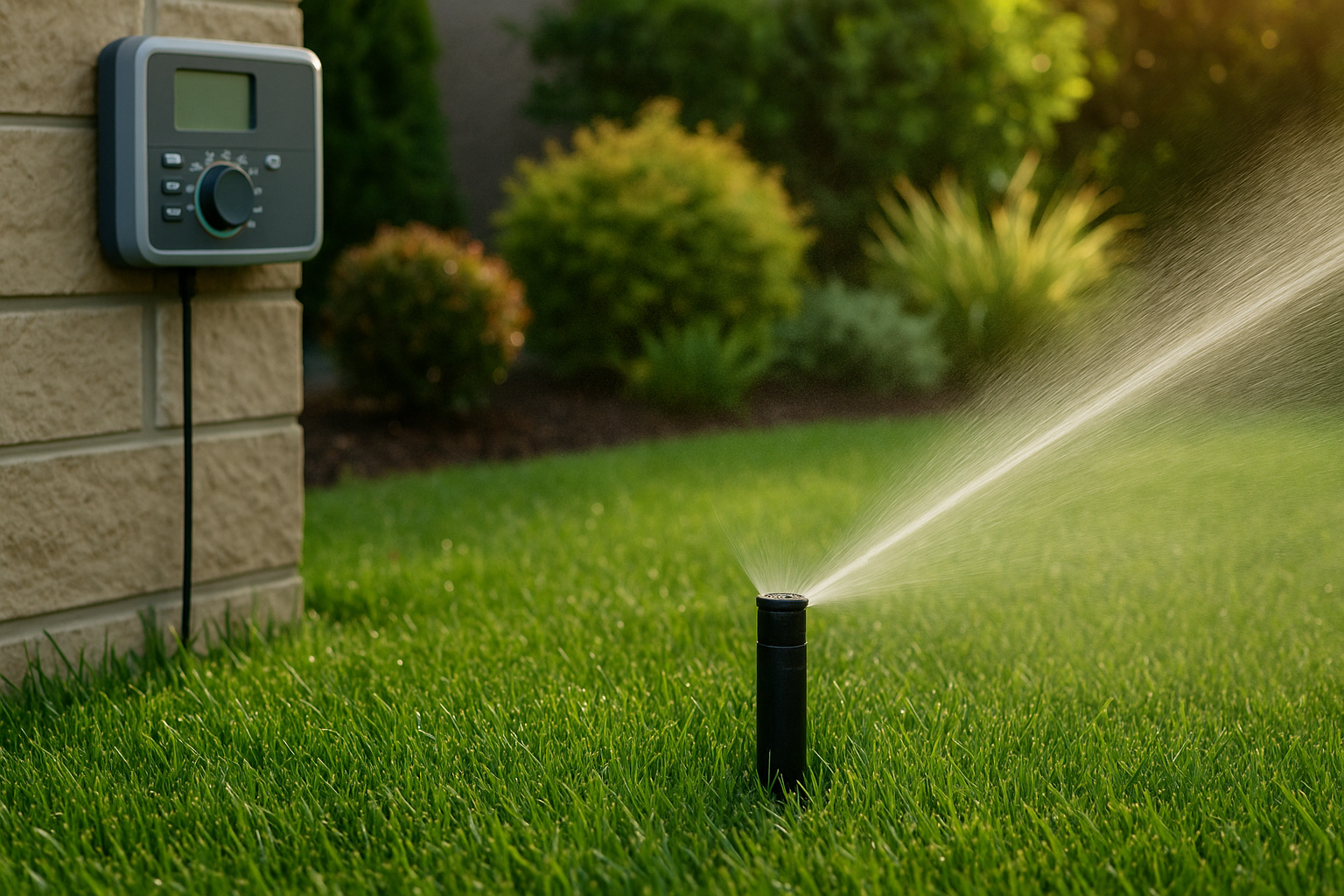
An automatic irrigation system is a network of pipes, valves, emitters, controllers, and sensors that delivers water to a landscape on a scheduled or sensor-driven basis. Instead of hand watering or dragging hoses, these systems turn on and off automatically to applied amounts tailored to plant types and seasonal needs. They range from simple timer-based sprinklers to advanced smart systems that adjust for weather and soil moisture.
Key components
- Controller or timer that manages watering schedules
- Valves that open and close to direct water to zones
- Pipes and tubing that distribute water throughout the landscape
- Emitters such as drip lines, spray heads, or rotors that apply water
- Sensors for rain, soil moisture, or flow to prevent overwatering
Types of automatic irrigation systems
Drip irrigation
Drip systems deliver water slowly and directly to the root zone using tubing and emitters. They are highly water efficient and ideal for garden beds, shrubs, trees, and containers. Because water is applied closer to roots, less is lost to evaporation or runoff and plants receive a consistent moisture supply.
Sprinkler systems
Sprinklers work well for lawns and large landscape areas. Pop-up spray heads and rotor heads distribute water in patterns to cover turf evenly. Sprinklers are faster at delivering larger volumes of water, but they can lose more to wind and evaporation compared to drip systems.
Soaker hoses and micro sprays
Soaker hoses and micro sprays are hybrid options that suit narrow beds or decorative plantings. They offer a balance between coverage and efficiency and are simple to install for DIYers who want localized watering without complex plumbing.
Benefits of going automatic
Automatic irrigation saves time and reduces water waste while improving plant health. Systems can be programmed to water at optimal times, such as early morning, when evaporation is lowest. Smart controllers further optimize use by adapting schedules to current weather, which can reduce bills and extend the life of your landscape. For busy homeowners, the convenience of reliable, hands-off watering is a big advantage.
Designing your system
Assess your landscape
Start by mapping plant types, sun exposure, and slope. Group plants with similar water needs into zones so each zone receives the right amount of water. Identify critical areas like newly planted beds or thirsty ornamentals that may require more frequent irrigation.
Zoning and water pressure
Design zones based on water pressure and flow. Too many heads on a single zone can reduce performance by lowering pressure. Measure available flow and divide the system into manageable zones so each delivers uniform coverage without straining the water supply.
Installation and setup tips
Smart controllers and sensors
Smart controllers connect to Wi Fi and use local weather data or soil moisture sensors to make dynamic watering decisions. Installing a rain sensor or soil probe prevents unnecessary cycles after storms and helps comply with local watering restrictions. Most manufacturers provide step by step guidance for pairing sensors and programming schedules.
Testing and winterizing
After installation, run each zone to check for coverage gaps, leaks, and proper emitter placement. Adjust head heights and spray patterns as needed. In colder climates, drain or blow out irrigation lines before freezing temperatures arrive to prevent pipe damage.
Maintenance and common mistakes
Routine maintenance keeps an automatic system efficient. Inspect heads and emitters seasonally, clean filters, and examine valves for leaks. Common mistakes include overwatering, mismatched plant groups in the same zone, and failing to adjust schedules as seasons change. Addressing these issues prevents wasted water and stressed plants.
Cost considerations and ROI
Initial costs vary widely based on system complexity, from a few hundred dollars for a basic DIY drip kit to several thousand for a professionally installed lawn system with smart controls. Consider long term savings from reduced water use, healthier plants, and time saved on manual watering. Many homeowners recoup a portion of the investment through lower utility bills and reduced landscape replacement costs.
Conclusion
Automatic irrigation systems offer practical ways to conserve water, improve plant health, and free up time. Whether you choose a simple drip system for garden beds or a smart sprinkler network for a large lawn, careful design, proper installation, and regular maintenance will maximize performance. Start by assessing your landscape and goals, and consider a smart controller and sensors to keep watering efficient year round.