
April Landscaping Tips: Get Your Yard Ready for a Vibrant Spring
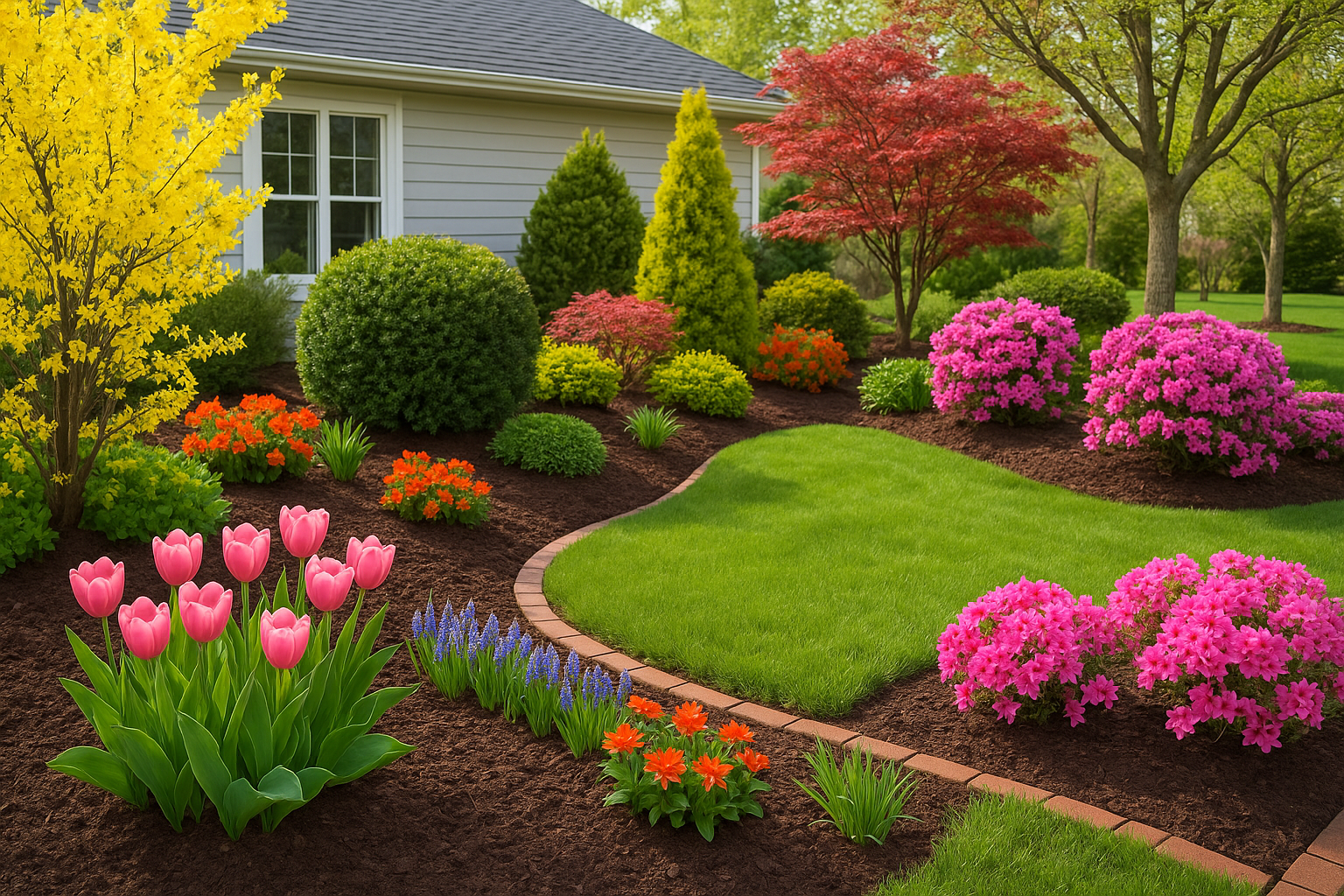
April Landscaping Tips: Prepare Your Yard for Spring
April is the sweet spot between late frosts and full-blown spring growth—perfect for tackling landscaping tasks that set the tone for the whole season. With a little planning and timely action, you can improve soil health, edge and seed your lawn, prune at the right time, and keep pests in check. Here are practical, easy-to-follow tips to make your outdoor space thrive this month.
Assess and Plan
Before you grab tools or plants, take a walk around your property. Note areas that need drainage improvement, spots where grass thinned over winter, and beds that could use new color or structure. Sketch a simple plan with priorities—what must be done this month versus tasks that can wait until later spring.
Create a Seasonal Checklist
- Soil testing and amendment
- Lawn repairs and overseeding
- Pruning and deadheading
- Irrigation checks and mulching
- Weed and pest control
Soil and Lawn Care
Healthy soil equals healthy plants. April is the ideal month to assess and amend soil before plants enter their peak growing period.
Soil Testing and Amendments
Conduct a soil test to check pH and nutrient levels. Many local extension services offer inexpensive kits and recommendations. Based on results, add lime to raise pH or sulfur to lower it, and incorporate compost to boost organic matter.
Aeration, Overseeding, and Fertilizing
If your lawn feels compacted or has bare patches, aerate and overseed in early April (timing depends on your region and grass type). Use a slow-release fertilizer appropriate for cool- or warm-season grasses. Avoid heavy feeding too early—aim for a balanced approach to encourage steady growth.
Planting and Pruning
April is prime time for planting many perennials, shrubs, and trees. It’s also a good month to prune where needed, but timing matters to avoid removing spring blooms.
What to Plant Now
- Cool-season annuals like pansies and snapdragons
- Perennials such as salvia, coreopsis, and daylilies
- Shrubs and trees while soil is workable and roots can establish
Pruning Tips
Prune summer-blooming shrubs in April to shape and remove dead wood. Avoid pruning spring-flowering shrubs (like forsythia or lilac) until after they finish blooming—pruning now would remove the flower buds.
Hardscaping and Garden Structures
Check patios, paths, and retaining walls for winter damage. Repair any loose pavers, re-sand joints, and reseal wooden decks if needed. This is also a great month to plan or install stones, arbors, or trellises before plants climb and fill them in.
Watering and Irrigation
With temperatures rising, your watering needs will change. Use April to set up efficient irrigation so you’re not over- or under-watering later.
Irrigation Checks and Scheduling
- Turn on drip systems and sprinklers; fix leaks or clogged heads.
- Adjust timers for cooler nights and warmer days—early morning watering reduces evaporation.
- Consider smart controllers that adapt to weather conditions.
Mulch to Conserve Moisture
Apply a 2–3 inch layer of organic mulch around beds and trees to retain soil moisture, suppress weeds, and moderate soil temperature as roots awaken.
Pest and Weed Management
Early prevention saves time and damage later. April is a good month to get ahead of the most common garden pests and weeds.
Weed Control
Pull young weeds by hand or use a light pre-emergent where appropriate to prevent crabgrass and other annuals. Avoid disturbing perennial weed roots unless you plan to remove them completely.
Integrated Pest Management
Monitor for early signs of disease or insect activity. Encourage beneficial insects by planting nectar-rich flowers, and use targeted, least-toxic controls if needed—horticultural oils, insecticidal soaps, or organic sprays can be effective when applied correctly.
Seasonal Design and Color
April is your chance to add instant curb appeal. Plant a mix of early-blooming bulbs, cool-season annuals, and bold foliage plants to create layers of color and texture. Reevaluate focal points and consider container combinations for porches and entryways.
Tools and Maintenance
Sharp, clean tools make gardening easier and healthier. Take time to sharpen pruners, clean shovels, and oil moving parts. Replace worn gloves and edge tools to keep borders crisp.
Safety and Storage
Store chemicals safely and label containers. Keep a first-aid kit handy and wear gloves, eye protection, and appropriate footwear while working.
Conclusion
April is the month of momentum—small, well-timed tasks pay big dividends through the growing season. Focus on soil, proper planting, timely pruning, and water-wise practices to create a resilient, beautiful landscape. With these tips, your yard will be set to thrive all spring and beyond.